

Ryan Mitchell
Marketing Analytics Strategist
Ryan Mitchell is a marketing analytics strategist specializing in campaign measurement, customer journeys, and marketing performance. He writes about analytics, reporting, and data-driven marketing strategies, helping SaaS and B2B teams measure what matters across every stage of the customer journey.
Read articles by Ryan
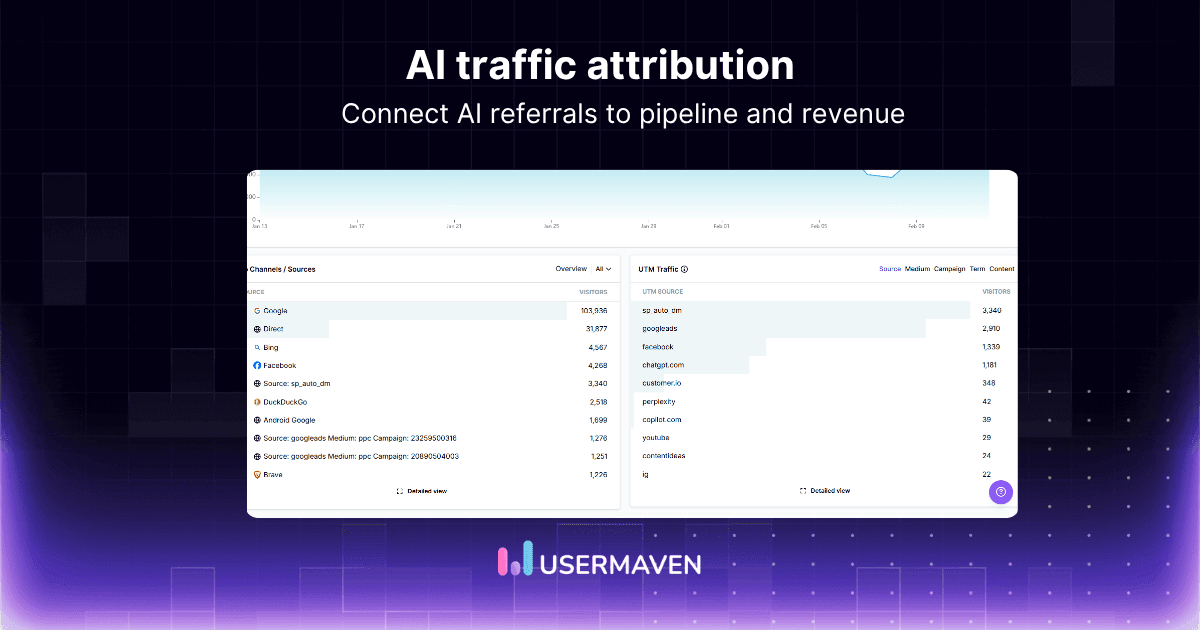
AI traffic attribution: From AI referrals to revenue
A buyer asks ChatGPT which software can connect campaign performance with pipeline. The assistant mentions several options, and the buyer clicks a comparison article. Three weeks later, that person returns through Google, books a demo, and becomes a customer. Which channel deserves credit? The answer changes depending on whether the report follows sessions, first touches, […]
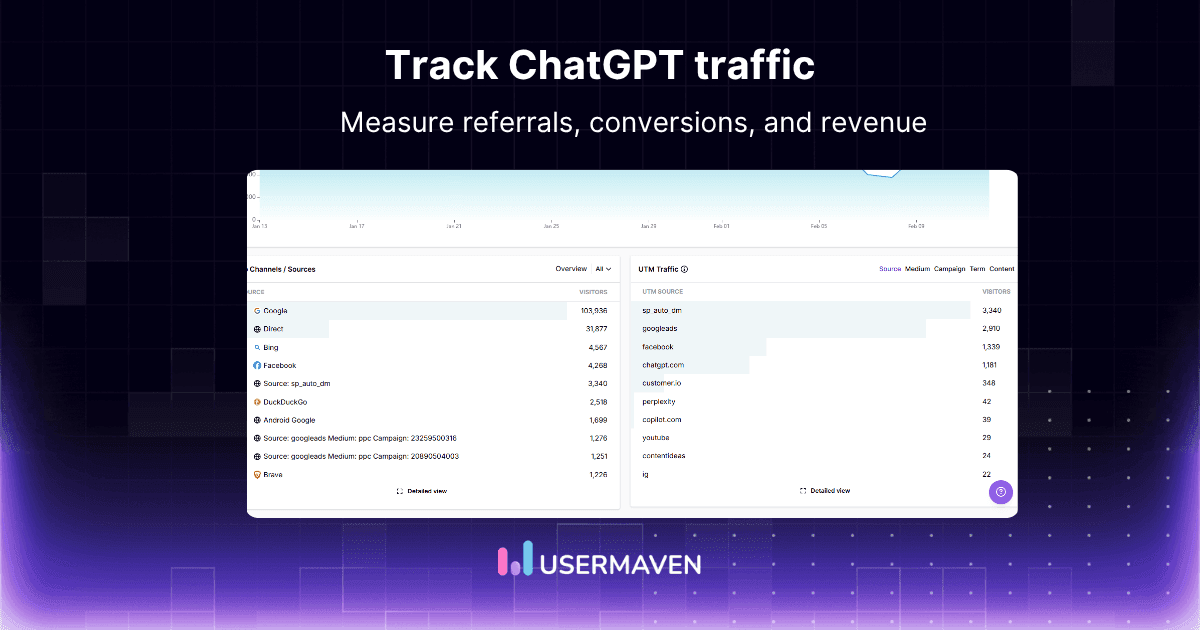
How to track ChatGPT traffic and conversions
A potential customer asks ChatGPT for a product recommendation, clicks a citation, and lands on a website. The visit may appear in analytics. But the referral report alone cannot show whether that person became a lead or customer. Some ChatGPT clicks arrive with recognizable source information; others do not. Even when the visit is identifiable, […]
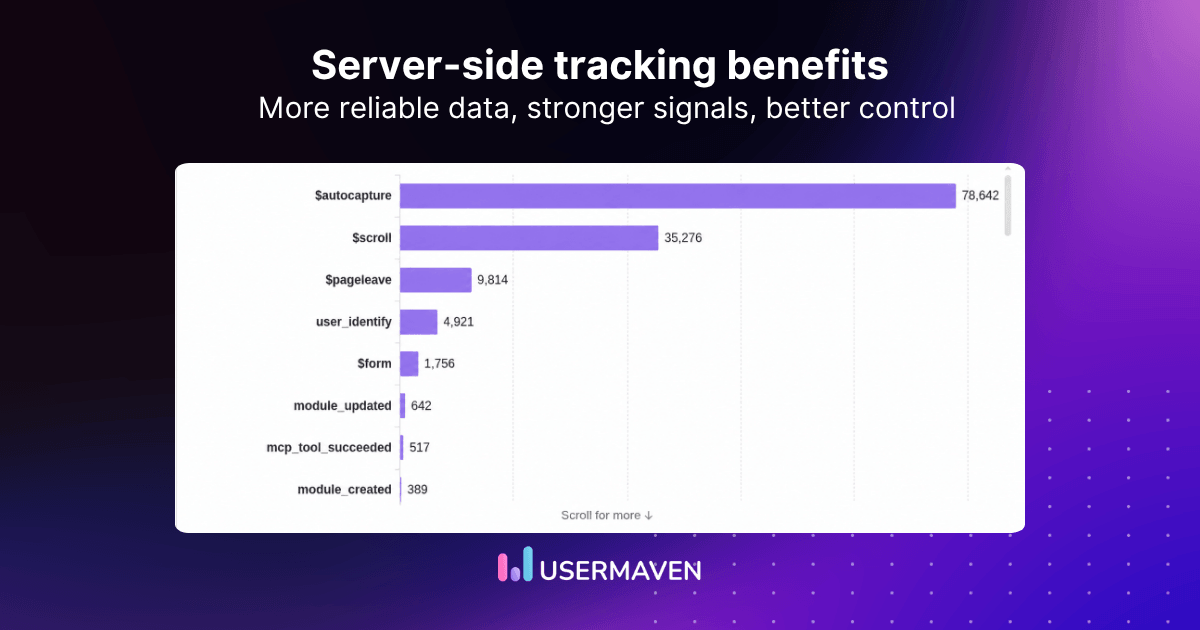
8 proven server-side tracking benefits that drive real results
Browser-only tracking can lose context when conversions happen after the original session, inside a product, in a CRM, or on a payment system. Server-side tracking adds a controlled path for important events, making marketing attribution software more useful because campaign activity can connect with outcomes the business can verify. This guide focuses on what server-side […]
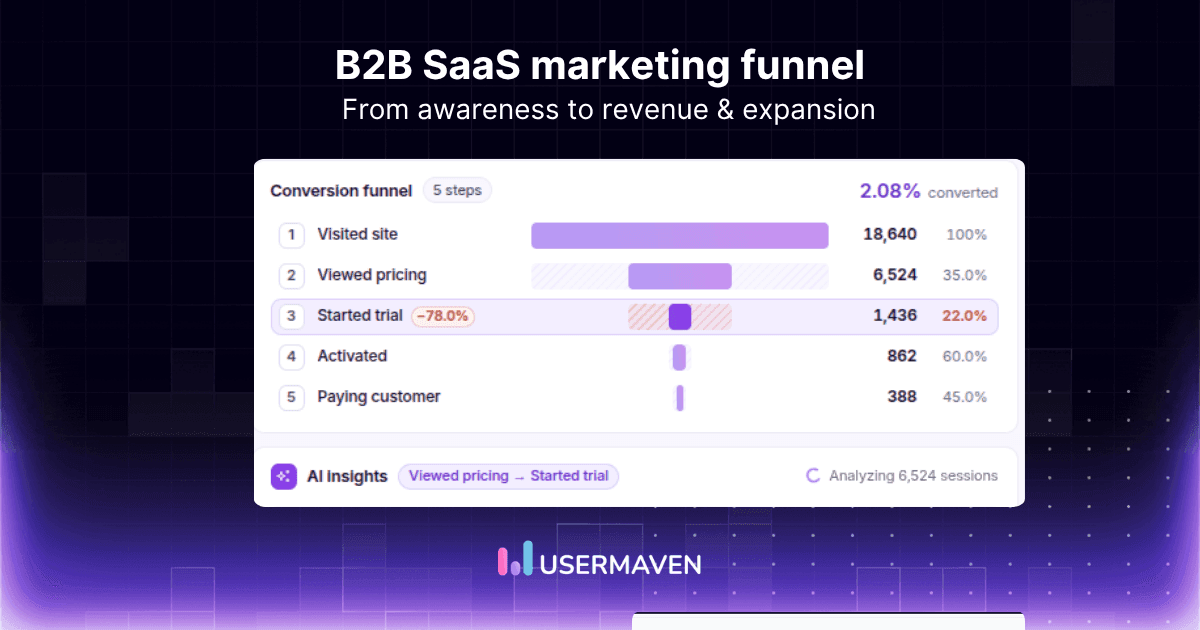
B2B SaaS marketing funnel: From awareness to expansion
Most marketing funnels stop too early. A B2B SaaS company can generate traffic, leads, demos, or trials and still have a weak funnel if those prospects fail to activate, qualify, become customers, or stay long enough to create durable revenue. The path also changes by go-to-market motion. Product-led SaaS needs to understand what happens after […]
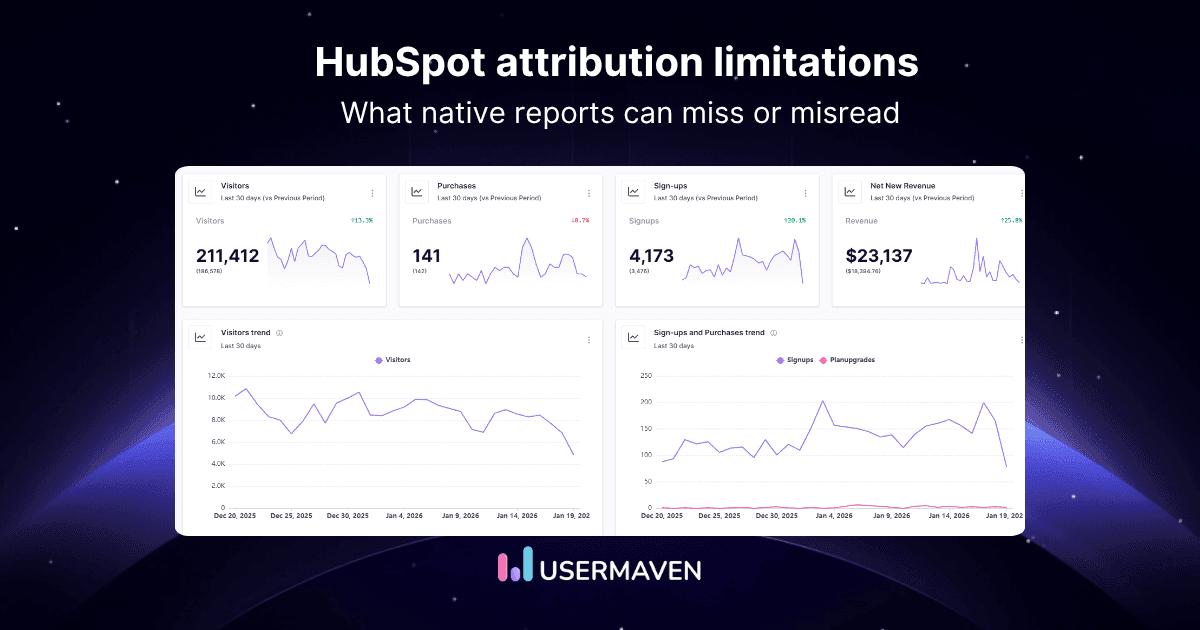
HubSpot attribution limitations: What the reports miss
HubSpot can produce an attribution report that is technically correct and still leave a team with the wrong answer to its business question. Sometimes the constraint is native to the report. Sometimes the real problem is missing tracking, incomplete CRM associations, or a customer interaction that was never captured. The distinction matters because changing the […]
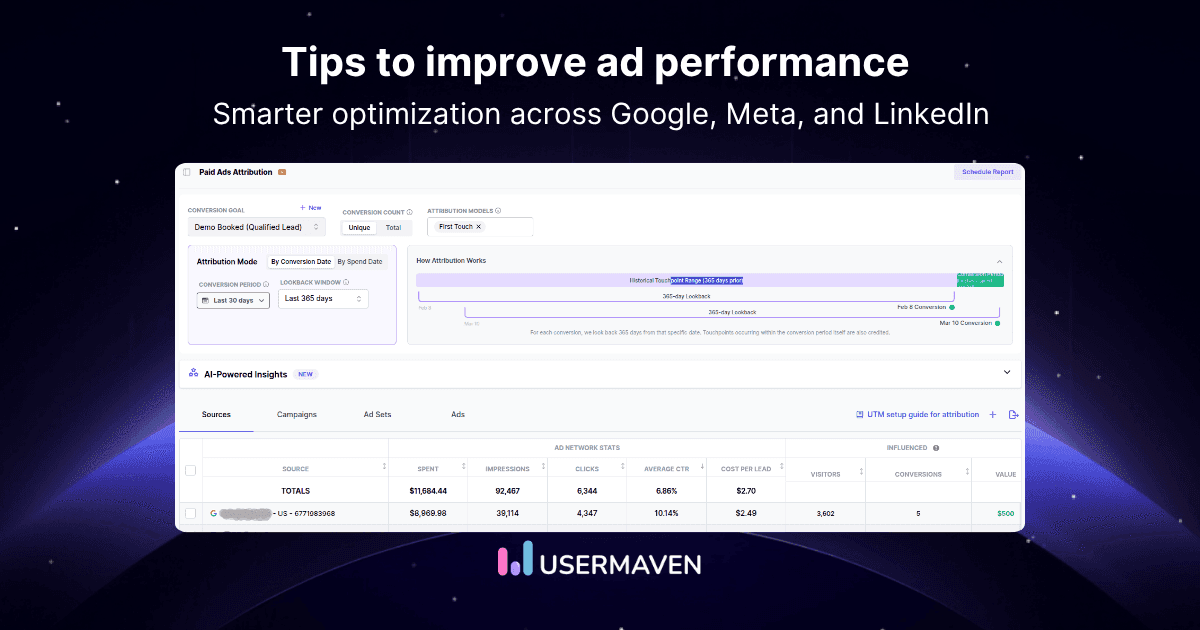
Tips to improve ad performance: Google, Meta, and LinkedIn
Improving ad performance is not only about lowering CPC or increasing CTR. A campaign can attract cheaper clicks and still produce fewer qualified leads, weaker customers, or less revenue. The strongest optimization process works across three layers: the ad platform, the post-click experience, and the measurement signal that tells the platform what a valuable outcome […]
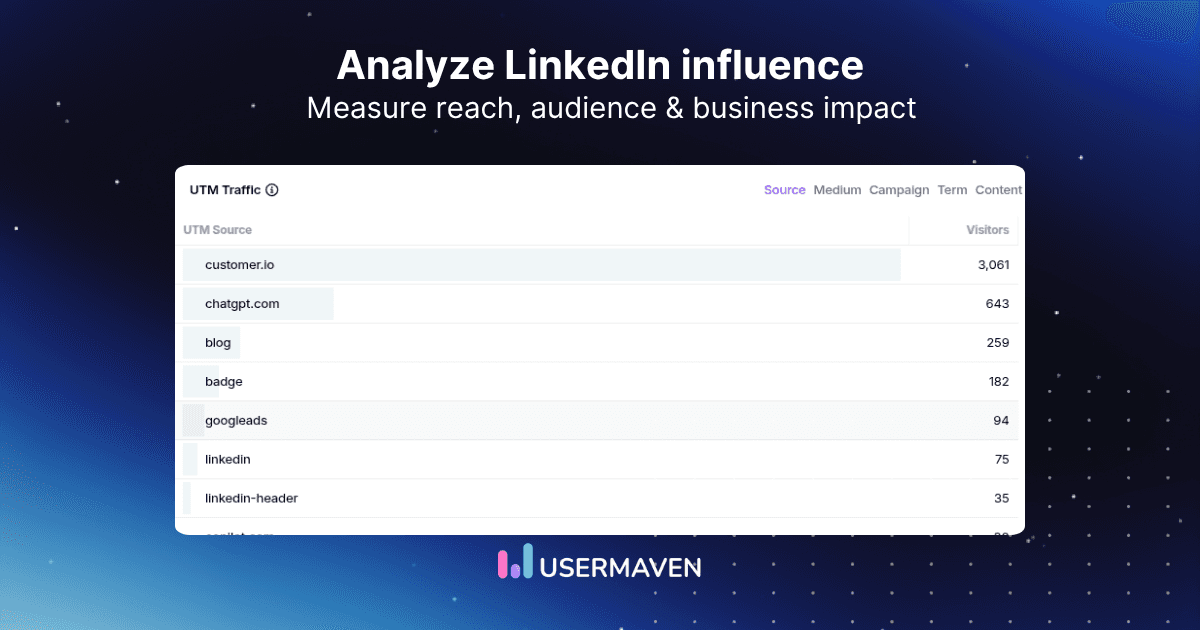
How to analyze LinkedIn influence & know what actually works
A LinkedIn post can get 100,000 impressions and still have little business impact. Another can reach 10,000 people, attract the right job titles, trigger profile visits, send qualified traffic, and contribute to the pipeline. That difference is why LinkedIn influence cannot be reduced to followers or engagement rate. Native LinkedIn analytics shows how far content […]
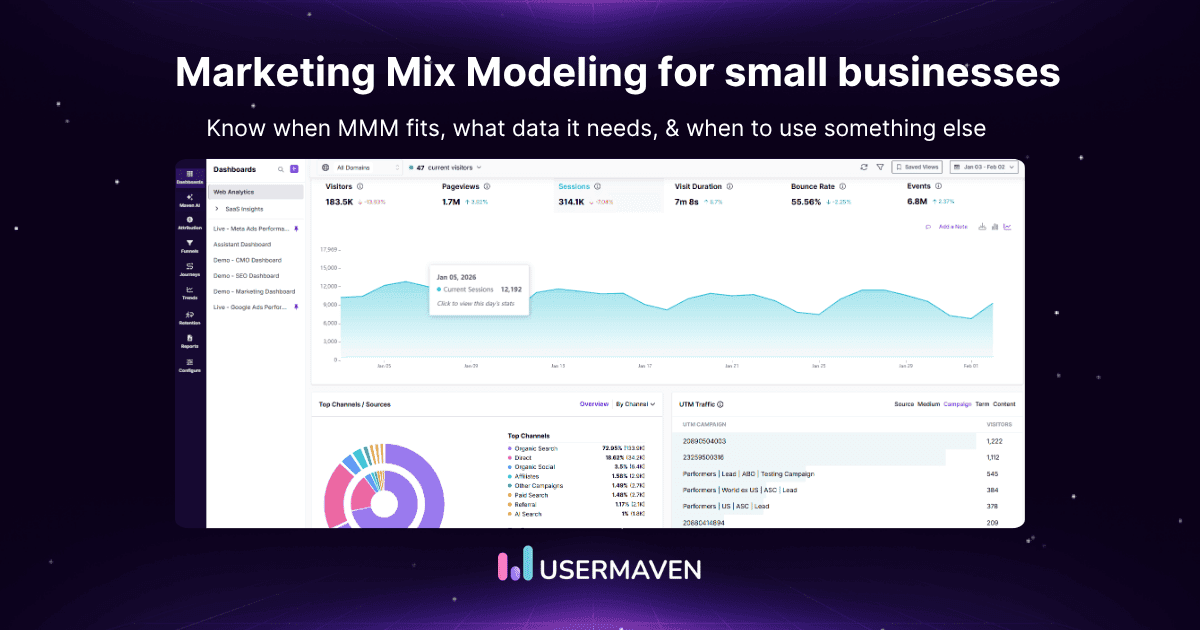
Marketing Mix Modeling for small businesses: A readiness guide
Marketing mix modeling used to sound like something only global brands with television budgets, data-science teams, and years of sales history could use. Open-source frameworks and automated MMM tools have lowered that barrier, but they have not removed the data requirements. The useful question is not whether a company is “big enough” for MMM. It […]
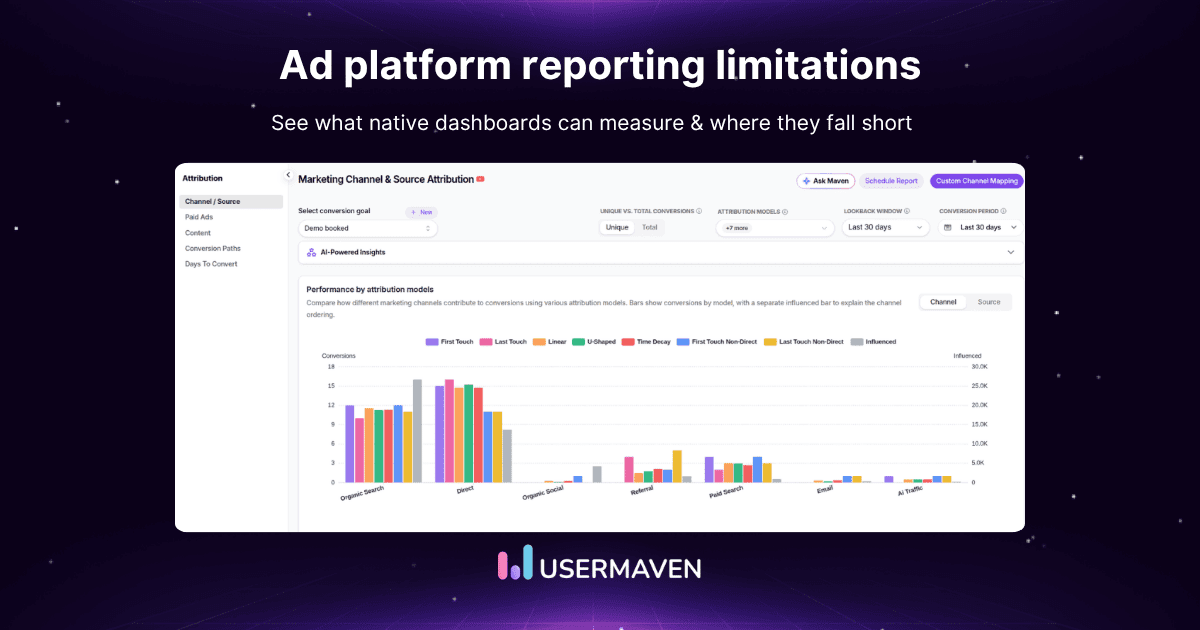
Ad platform reporting limitations: What dashboards miss
Meta says ROAS is 5.1×. Google says its campaigns generated 140 conversions. LinkedIn reports influenced pipeline. Your CRM shows fewer paying customers than the platforms appear to claim. None of those reports necessarily has to be broken. The systems are observing and calculating different things. Native ad dashboards have different ecosystem visibility, identity signals, attribution […]