 Is your tracking broken? Fix with Measurement Trust Center.Explore now →
Attribution
Multi-touch attribution, campaign measurement, and connecting marketing spend to revenue without guesswork.
Articles
Attribution
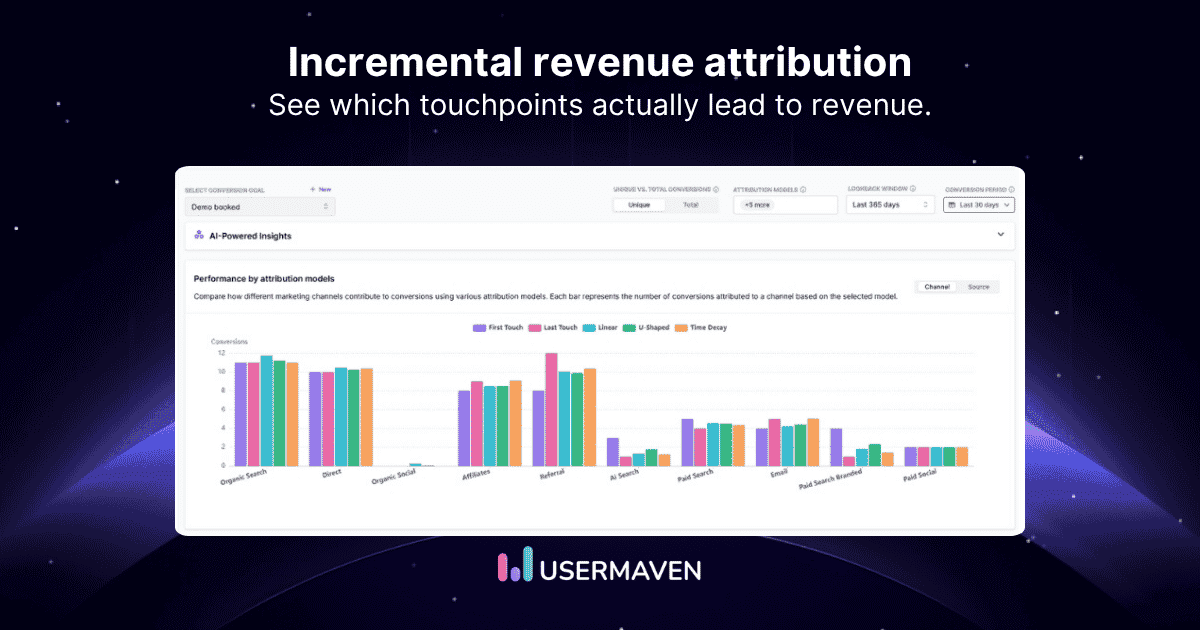
Incremental revenue attribution: Measure true marketing lift
Meta reports $500,000 in attributed revenue. The CRM confirms that those customers purchased. But how much of that revenue would still have happened if the ads had never run? That is the difference between attribution and incrementality. Attribution explains which observed marketing interactions receive credit. Incrementality asks what additional business outcome marketing actually caused compared […]
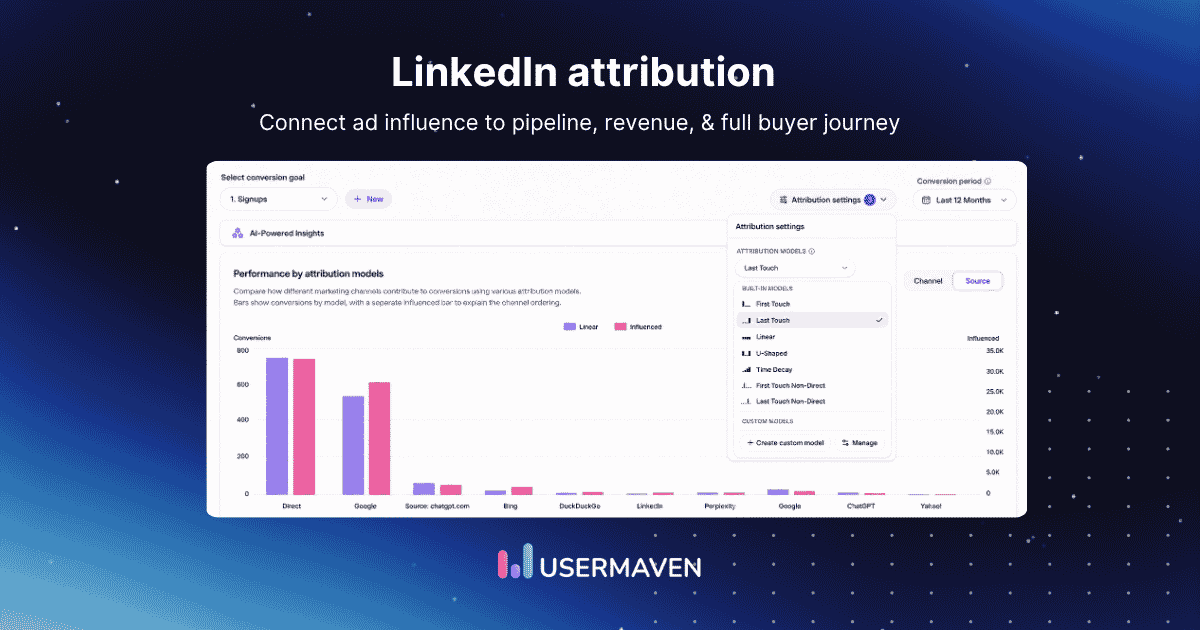
LinkedIn attribution: Track revenue & measure campaign impact
LinkedIn says an ad influenced the conversion. The CRM says the opportunity came from Organic Search. A multi-touch report shows LinkedIn early in the journey and email before the demo. Which source should get credit? All three can be internally consistent because they may be answering different questions. LinkedIn conversion attribution, LinkedIn revenue influence, and […]
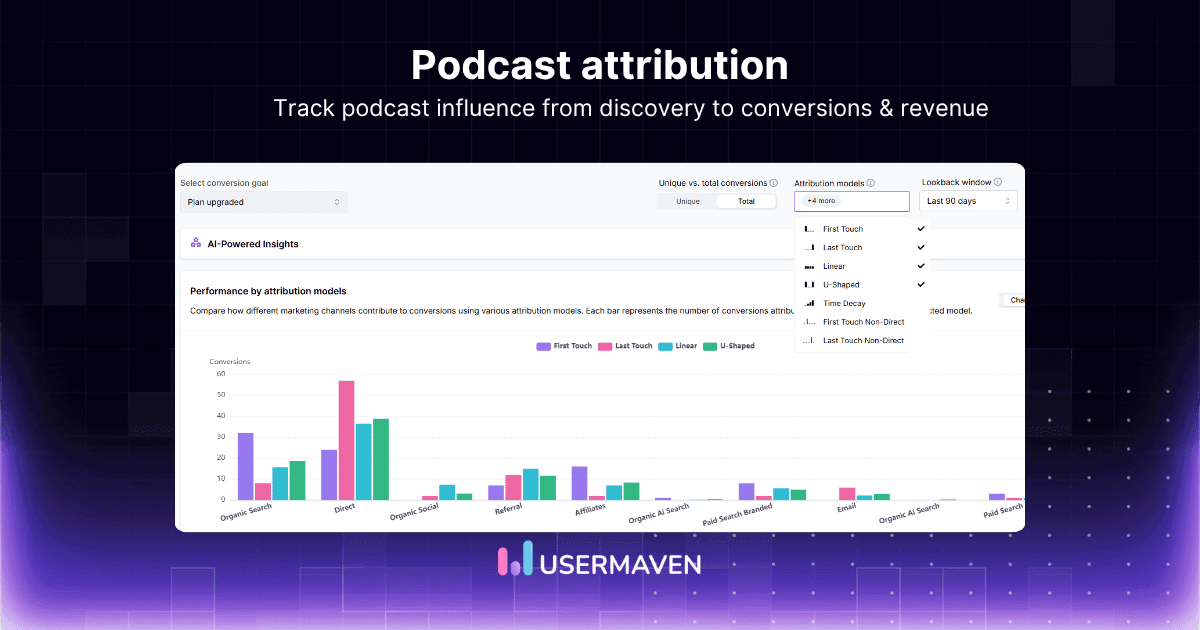
Podcast attribution: How to track impact and revenue
A listener hears your company on a podcast during their commute. Twelve days later they Google the brand, read two articles, return through LinkedIn, and request a demo. Analytics says “Organic Search.” The buyer says “Podcast.” Both can be correct. Podcast exposure often happens away from the website, without a click, on another device, and […]
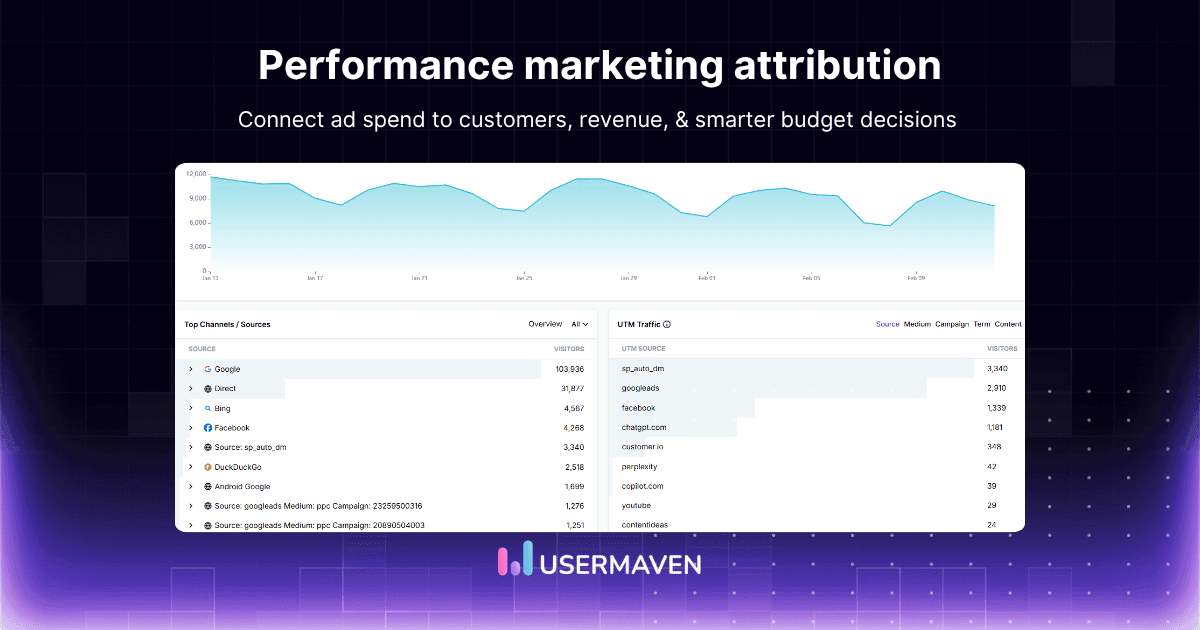
Performance marketing attribution: Track spend to revenue
Meta says a campaign generated 120 conversions. Google Ads claims another 90. The CRM shows only 150 new customers. The numbers can all be internally consistent and still leave one question unanswered: which evidence should determine the next budget decision? Performance marketing attribution becomes difficult because spend lives in ad platforms, behavior lives in analytics, […]
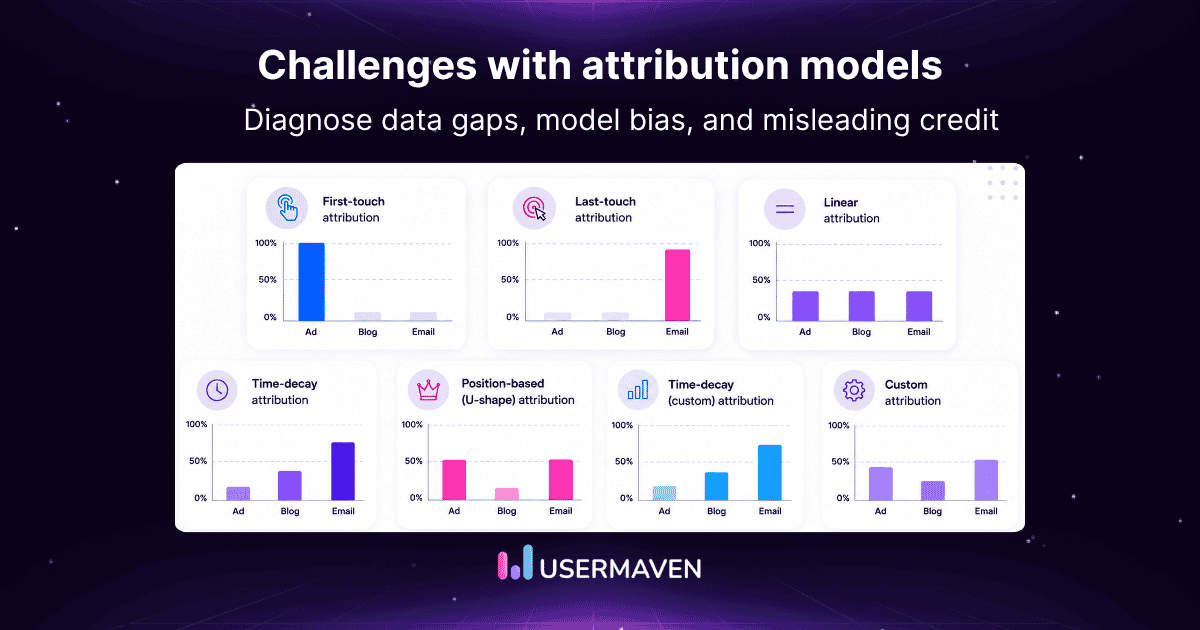
Challenges with attribution models: 9 problems and fixes
Google Ads says it drove the sale. Meta says the same. The CRM credits Direct, while a last-touch report says branded search won. The customer journey did not change; only the measurement lens did. That contradiction is why attribution problems are often blamed on the model first. In reality, the failure may begin earlier with […]
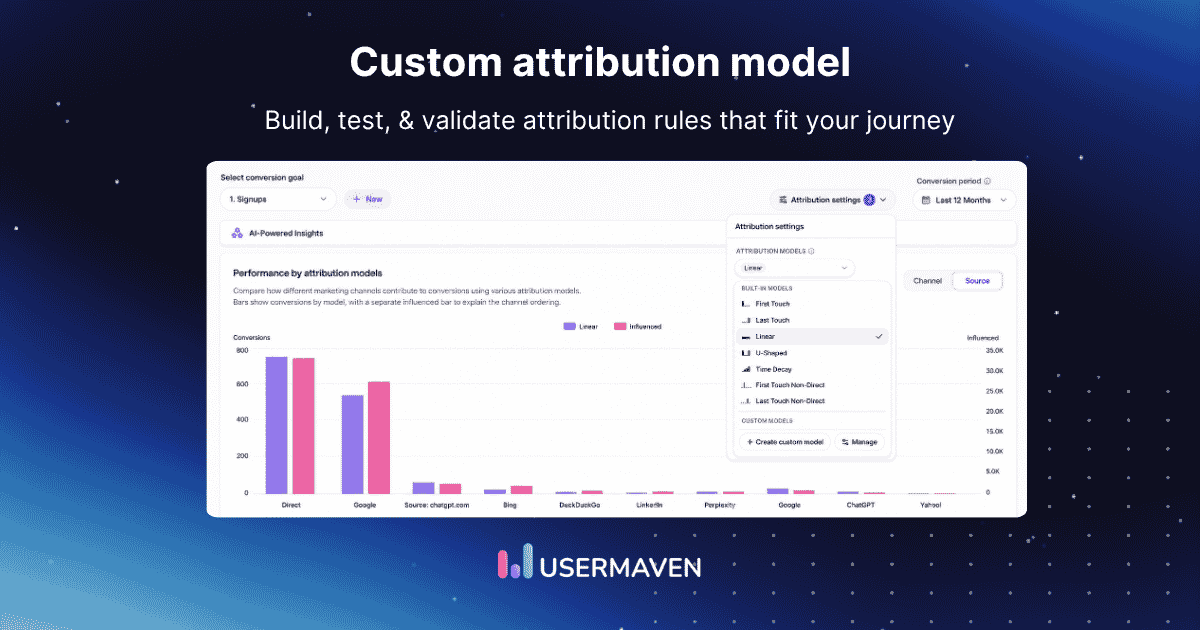
Custom attribution model: How to build and validate one
Change the weights in an attribution model and a channel can move from supporting player to apparent winner without a single customer journey changing. That is the power and the risk of custom attribution. Standard models settle credit with predefined rules. A custom attribution model lets the business define its own logic, but those rules […]
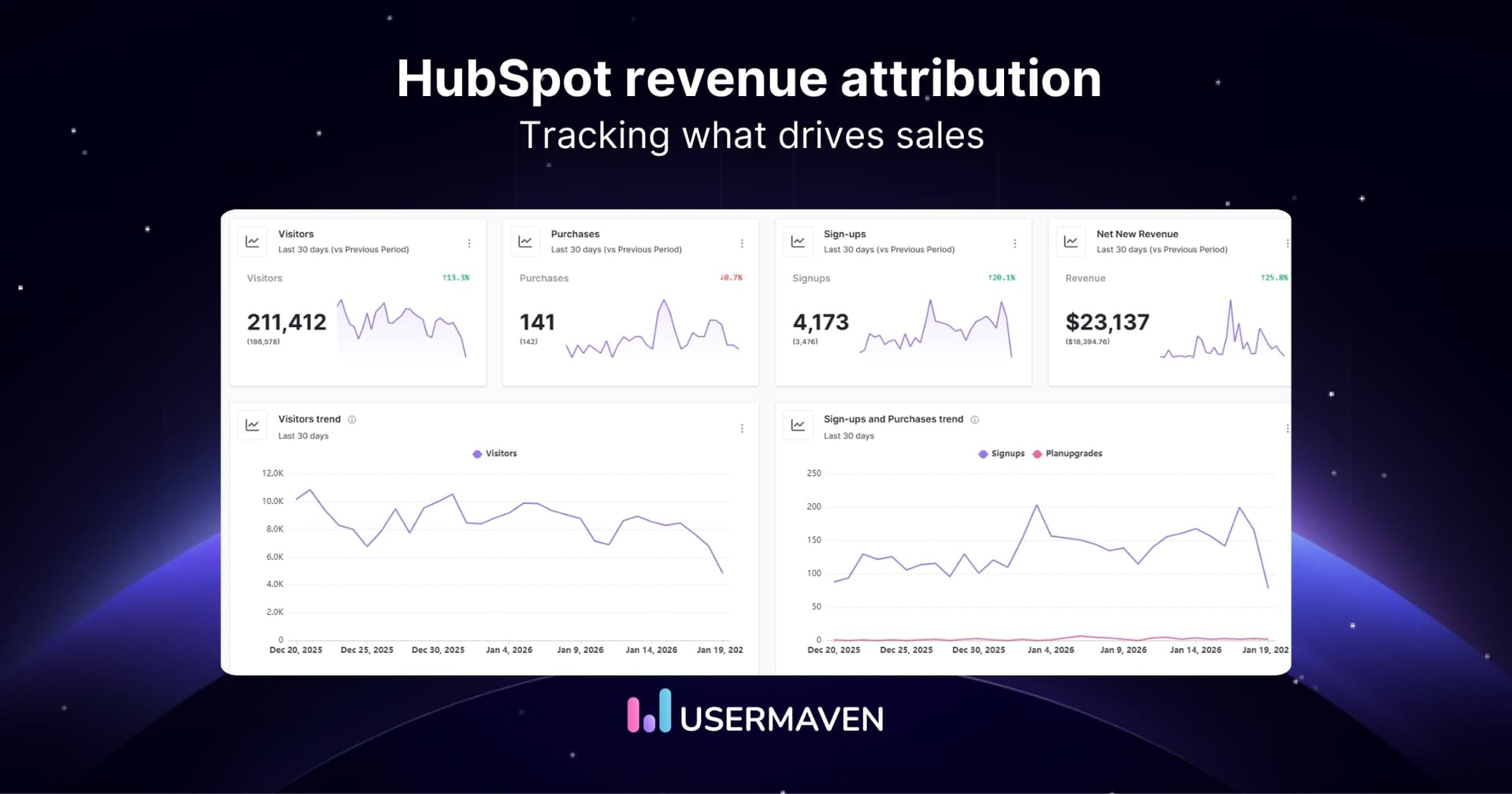
HubSpot revenue attribution: Setup, models & limits
HubSpot can show which marketing interactions receive credit for Closed Won deal revenue, but the report is only as reliable as the contact, deal, tracking, and association data underneath it. That matters because HubSpot changed both its attribution terminology and model set in 2026. What many teams still call Revenue Attribution is now documented as […]

Self-reported attribution: What it is & how to use it
Analytics says a buyer came from branded Google search. On the demo form, the buyer writes that they first heard about the company on a podcast. Neither answer has to be wrong. One records an observable visit; the other records what the buyer remembers. Self-reported attribution is useful precisely because important discovery often happens where […]
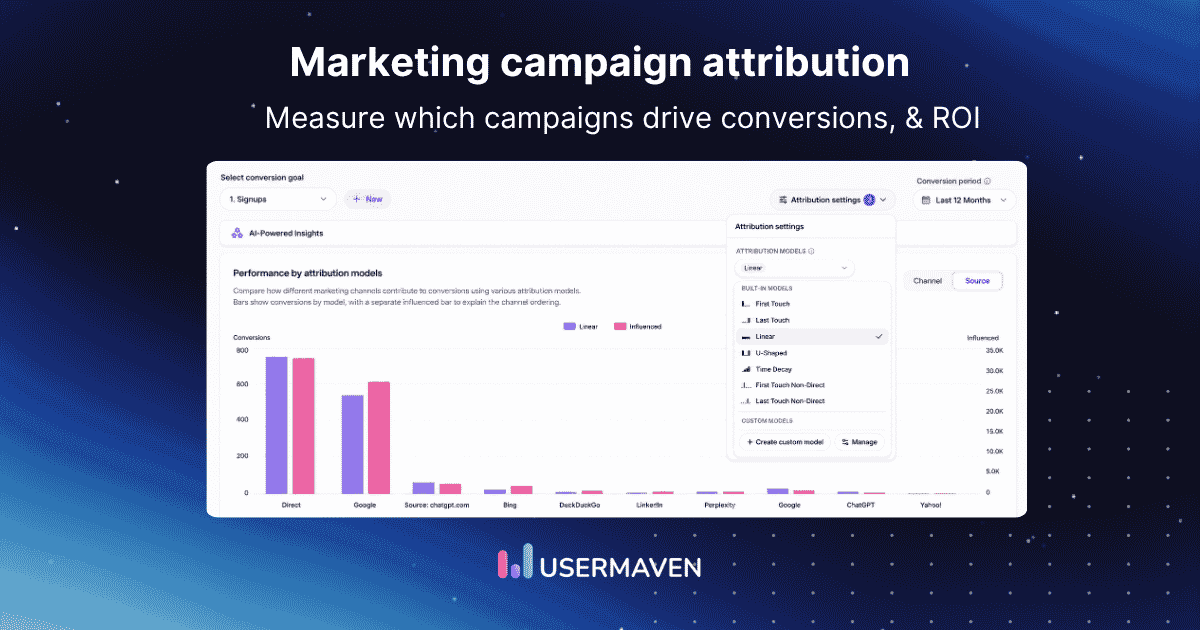
Marketing campaign attribution: Measure campaign impact
Google says Campaign A drove 40 conversions. Meta says Campaign B drove 35. LinkedIn claims another 20, yet the backend records only 80 customers. Different platforms can be internally consistent while still claiming overlapping credit. Marketing campaign attribution solves a narrower problem than broad marketing attribution. It connects named campaigns with customer journeys and business […]
Showing 9 of 110 articles
Load more articles